

Introduction: The Rise of the Automatic Bean to Cup Coffee Machine
Imagine waking up on a lazy Sunday morning, shuffling to your kitchen, pressing a single button, and within seconds sipping a perfectly extracted espresso topped with velvety microfoam — all without ever touching a grinder, a tamper, or a portafilter. This is not a fantasy reserved for professional baristas in bustling cafés. This is the everyday reality offered by the automatic bean to cup coffee machine. In an age where convenience reigns supreme yet quality refuses to be sacrificed, the automatic bean to cup coffee machine has emerged as one of the most compelling kitchen appliances on the market. But are they truly good? Do they deliver on their bold promises of café-quality coffee with zero effort? The short answer is a resounding yes — with a few important caveats. This article dives deep into everything you need to know about the automatic bean to cup coffee machine, exploring how it works, what makes it exceptional, where it falls short, and whether it deserves a permanent spot on your countertop.
What Exactly Is an Automatic Bean to Cup Coffee Machine?
Before we evaluate whether an automatic bean to cup coffee machine is good, we need to understand what it actually is — because the terminology in the coffee world can be maddeningly confusing.
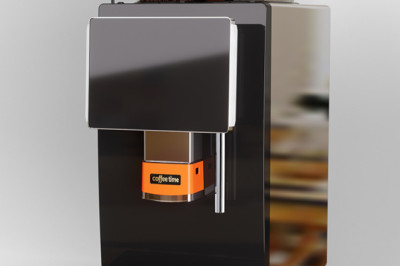
A true automatic bean to cup coffee machine is a fully automated appliance that takes whole, unroasted coffee beans and transforms them into a finished cup of coffee with minimal human intervention. The process is seamless: you insert whole beans into the hopper, select your drink on a touchscreen or button panel, and the machine handles everything else. It grinds the beans to the precise consistency required, doses the exact amount of coffee, tamps it automatically, brews under optimal pressure, and — in most models — steams and froths your milk to perfection. The result? A barista-quality espresso, latte, cappuccino, or any number of specialty drinks, all at the push of a button.
This is fundamentally different from semi-automatic machines, which require you to manually grind, dose, tamp, and pull the shot. It is also different from pod or capsule machines, which use pre-packaged coffee and deliver a decidedly inferior cup. The automatic bean to cup coffee machine occupies a unique sweet spot: it offers the convenience of a pod machine with the freshness and quality of a professional espresso setup.
It is worth noting that the term "bean to cup" has been diluted by marketers. Some machines advertised as bean to cup are merely traditional espresso machines with a built-in grinder — they still require you to tamp and pull the shot manually. These are not automatic bean to cup coffee machines in the true sense. A genuine automatic bean to cup coffee machine has a brewing unit (also called an infuser) that replaces the portafilter entirely, automating the dosing and tamping process. When shopping, make sure you are getting the real deal.
How Does an Automatic Bean to Cup Coffee Machine Work?
The magic of an automatic bean to cup coffee machine lies in its internal engineering. At its core, the machine houses three critical components: a grinder, a brewing unit, and a milk frothing system.
The grinder — ideally equipped with flat ceramic burrs — crushes whole beans to a precise grind size. High-end models offer anywhere from 15 to 25 grind settings, allowing you to fine-tune the extraction for different bean types and roast levels. The brewing unit then receives the freshly ground coffee, automatically doses and tamps it into a compact puck, and forces hot water through it at a stable pressure — typically around 9 to 16 bars — to extract the full spectrum of flavors. The milk system, whether it is a fully automatic frother or a manual steam wand, heats and texturizes milk to create that signature silky microfoam.
What makes the automatic bean to cup coffee machine truly remarkable is its precision. The machine controls extraction time, water temperature, and pressure with a consistency that even experienced baristas struggle to match manually. This means every cup is reliable, repeatable, and delicious — no guesswork required. Heat-up times are impressively fast, with many models ready to brew in as little as 18 to 40 seconds. Noise levels during grinding can reach 75dB, but brewing and steaming are significantly quieter, typically between 47 and 65dB.
The Case For: Why an Automatic Bean to Cup Coffee Machine Is Genuinely Good
Let us be blunt: the automatic bean to cup coffee machine is good. Not just "okay for the price" good, but genuinely, undeniably good. Here is why.
1.Unmatched Freshness and Flavor
The single greatest advantage of an automatic bean to cup coffee machine is that it grinds beans fresh for every single cup. Pre-ground coffee begins to oxidize and lose its aromatic compounds within minutes of being ground. The automatic bean to cup coffee machine eliminates this problem entirely. Every espresso you pull tastes as vibrant and complex as the first cup of the morning, with a rich, full-bodied crema that pre-ground coffee simply cannot replicate.
2.One-Touch Convenience
This is where the automatic bean to cup coffee machine truly shines. You do not need to be a trained barista. You do not need to learn grind sizes, tamp pressure, or milk steaming technique. You press a button, and the machine does the rest. Many models offer 12 to 15 preset drinks — espresso, lungo, cappuccino, latte, flat white, americano, and more — plus customizable options for strength, volume, and milk texture. For busy households or office environments, the automatic bean to cup coffee machine is a game-changer. It delivers café-quality coffee in under a minute, with zero cleanup beyond emptying the drip tray and rinsing the milk system.
3.Consistent Quality, Every Time
Human error is the enemy of great coffee. Over-tamping, under-extraction, incorrect grind size — these are the silent killers of a good cup. The automatic bean to cup coffee machine removes all of these variables. Its automated systems control extraction time, water temperature, and pressure with machine-level precision. Testing has shown that even after 20 consecutive shots, the output remains remarkably consistent in strength, flavor, and crema quality. This reliability is something no manual process can guarantee.
4.Milk That Is Actually Hot
One of the most common complaints about entry-level machines is that the milk is not warm enough. The best automatic bean to cup coffee machines have solved this problem with dedicated milk heating systems that deliver genuinely hot, properly textured foam. Some models feature proprietary milk systems that froth, foam, and dispense automatically — you simply place your cup under the spout and walk away. For latte and cappuccino lovers, this is not a luxury; it is a necessity.
5.Dual Hopper Options for Decaf Lovers
A standout feature found in many premium automatic bean to cup coffee machines is the dual-hopper system. This allows you to load two different beans simultaneously — say, a bold dark roast for the morning and a smooth decaf for the afternoon. The machine purges the grinder between drinks to prevent cross-contamination. This is an enormous quality-of-life improvement for households where not everyone drinks caffeinated coffee. If your current machine lacks this feature, upgrading to an automatic bean to cup coffee machine with dual hoppers is one of the smartest moves you can make.
6.Self-Cleaning and Low Maintenance
Modern automatic bean to cup coffee machines come equipped with self-cleaning programs that rinse the brewing unit, milk system, and internal pipes automatically. Some models even have removable brew groups that can be washed under running water. Compared to the daily ritual of cleaning a manual espresso machine — backflushing, wiping down the portafilter, descaling — the automatic bean to cup coffee machine is dramatically easier to maintain.
The Case Against: Where an Automatic Bean to Cup Coffee Machine Falls Short
No product is perfect, and the automatic bean to cup coffee machine is no exception. Here are the legitimate drawbacks you should know about.
1.Price
A decent automatic bean to cup coffee machine will set you back anywhere from £300 to over £1,000, depending on features. Budget models under £500 deliver solid espresso but may lack advanced milk systems or dual hoppers. The top-tier machines — the ones with touchscreen displays, user profiles, 25 grind settings, and fully automatic milk frothing — can easily exceed £1,000. However, when you calculate the long-term savings compared to daily coffee shop visits, the automatic bean to cup coffee machine pays for itself within months.
2.No Hot Water Dispenser (On Some Models)
One minor but frustrating limitation: some automatic bean to cup coffee machines do not dispense hot water. This means you cannot make an americano without boiling a kettle separately. If you are an americano drinker, check this feature before buying.
3.You Cannot Match a Skilled Barista (Yet)
While the automatic bean to cup coffee machine produces excellent coffee, it does not quite reach the artisanal heights of a skilled human barista using a manual machine. The nuance, the ability to dial in a shot in real-time based on the bean's behavior — that level of craftsmanship is still uniquely human. That said, for 95% of coffee drinkers, the difference is negligible.
4.Noise During Grinding
The grinder in an automatic bean to cup coffee machine can be loud — up to 75dB on some models. If you are making coffee at 6 AM while your family sleeps, this could be an issue. However, brewing and steaming are much quieter, and many machines allow you to schedule brewing times to avoid early-morning noise.
Who Should Buy an Automatic Bean to Cup Coffee Machine?
The automatic bean to cup coffee machine is ideal for:
Busy professionals who want great coffee without spending 10 minutes making it.
Households with mixed preferences — the dual hopper system means one person can have espresso while another enjoys decaf.
Coffee enthusiasts who value consistency over the ritual of manual brewing.
Offices and small workplaces where multiple people need quick, reliable coffee without training.
Anyone who has ever been disappointed by lukewarm milk in a cheap machine.
If you are someone who loves the art of pulling espresso shots and steaming milk by hand, a semi-automatic machine might suit you better. But for everyone else, the automatic bean to cup coffee machine is the superior choice.
The Verdict: Is an Automatic Bean to Cup Coffee Machine Good?
Let us cut through the noise and arrive at a definitive answer. The automatic bean to cup coffee machine is not just good — it is exceptional. It delivers freshly ground, perfectly extracted, café-quality coffee at the push of a button, with consistent results that even experienced baristas envy. It eliminates the guesswork, the mess, and the learning curve of manual espresso making, while preserving the freshness and flavor that pod machines sacrifice. Yes, it comes at a price, and yes, it cannot fully replicate the artistry of a hand-pulled shot. But for the vast majority of coffee drinkers — those who want a great cup every morning without becoming a coffee scientist — the automatic bean to cup coffee machine is the single best investment you can make in your daily routine. Whether you are a latte lover who needs hot, frothy milk, a decaf drinker who wants a second hopper, or simply someone who refuses to settle for mediocre coffee, the automatic bean to cup coffee machine delivers. It is fast, it is fresh, it is flexible, and it is remarkably easy to use. In a world full of compromises, the automatic bean to cup coffee machine is one of the few products that genuinely delivers on every promise it makes. If you have been on the fence, step off it. The automatic bean to cup coffee machine is good — and it is only getting better.