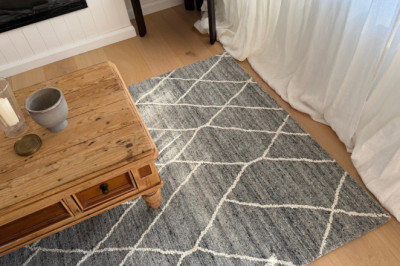


A cosy and elegant living room is not created by furniture alone. It comes from the way colours, textures, lighting and materials work together to create a welcoming atmosphere. One of the simplest ways to bring these elements together is with a thoughtfully chosen rug.
A large wool rug can anchor your seating arrangement, soften the appearance of hard flooring and introduce natural texture to your interior. Whether your home features contemporary furniture, classic details or a relaxed Australian aesthetic, the right rug can make the space feel more cohesive and comfortable.
However, choosing a beautiful rug is only the beginning. Its placement, size, colour and relationship with the surrounding furniture all influence the final result.
In this guide, we explore how to style Large wool area rugs to create a cosy yet elegant living room, with practical ideas for different layouts, colour schemes and interior styles.
Why Large Wool Area Rugs Make a Difference
A rug is more than a decorative accessory. It helps establish the visual foundation of a living room and connects the furniture into a unified arrangement.
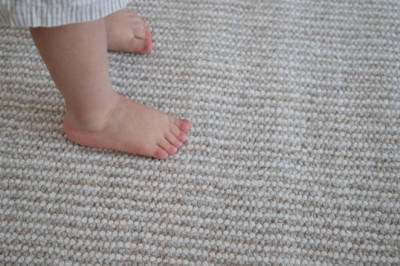
Wool adds natural texture and a comfortable feel underfoot, making it a versatile choice for spaces designed for everyday relaxation and entertaining.
Create a Defined Seating Area
In many living rooms, sofas, armchairs and coffee tables can look disconnected when they are arranged directly on a large expanse of flooring.
A generously sized rug brings these pieces together. When the front legs of the main seating furniture rest on the rug, the arrangement feels more intentional and balanced.
This is especially useful in open-plan homes, where the living area shares space with a dining room or kitchen.
Add Warmth and Texture
Timber, tile and stone flooring can look beautiful, but a large rug introduces another layer of texture that makes the room feel more inviting.
Wool rugs are available in smooth weaves, subtle patterns and more pronounced textures. Each option creates a different effect, from understated sophistication to relaxed comfort.
Pairing wool with materials such as linen, timber, leather and cotton can create a layered interior without making the space feel cluttered.
Balance Furniture and Floor Space
A rug that is too small can make a seating arrangement appear disconnected, while an appropriately sized rug helps establish the proportions of the room.
Large wool area rugs are particularly useful in spacious living rooms because they provide enough coverage to connect a sofa, coffee table and occasional chairs.
The goal is not necessarily to cover the entire floor. Instead, choose a size that supports the furniture arrangement while leaving a suitable border of visible flooring around the rug.
1. Choose the Right Rug Size for an Elegant Finish
Size is one of the most important considerations when styling a living room rug. Even a beautiful design may look out of place if it does not suit the room's proportions.
Before choosing a rug, measure the seating area and consider how the furniture will sit in relation to its edges.
Small Living Rooms
In a smaller living room, a rug can make the furniture arrangement feel connected without overwhelming the space.
Choose a size that extends beyond the coffee table and, where possible, allows the front legs of the sofa and chairs to rest on it.
Lighter colours and restrained patterns can help maintain an open appearance. Avoid choosing a rug that only sits beneath the coffee table if doing so makes the rest of the furniture feel disconnected.
Medium-Sized Living Rooms
A rug measuring approximately 200 x 290 cm may suit many medium-sized living rooms, depending on the dimensions of the furniture and available floor space.
Position the rug so that it connects the main seating pieces and leaves enough room for comfortable movement around the arrangement.
If the sofa is particularly large, measure its full width before choosing the rug.
Large Living Rooms
Larger spaces often benefit from a rug that extends beyond the central coffee table area.
A rug measuring approximately 250 x 350 cm or larger may work well beneath a generous seating arrangement, although the ideal dimensions will depend on the layout.
Allowing the front legs of the sofa and armchairs to sit on the rug creates a stronger visual connection between the furniture pieces.
Open-Plan Living Areas
In an open-plan layout, use the rug to define the living zone without closing off the space.
Position it beneath the primary seating arrangement, keeping the dining area and main walkways separate.
For additional inspiration, explore this guide to zoning open-plan living areas with large wool rugs.
Styling tip: Mark the proposed rug dimensions on the floor with masking tape before purchasing. This helps you check the proportions and confirm that furniture and walkways will fit comfortably.
2. Use Neutral Colours for Timeless Elegance
Neutral wool rugs are a reliable choice for creating an elegant living room. They provide a versatile foundation that can work with different furniture styles, wall colours and decorative accessories.
Popular options include cream, beige, ivory, taupe and soft grey.
Cream and Ivory Rugs
Cream and ivory rugs can make a room feel light, calm and refined.
They work particularly well with neutral upholstery, pale timber, linen curtains and simple decorative accessories.
To prevent the room from looking too plain, introduce contrasting textures through cushions, throws and furniture finishes.
Beige and Taupe Rugs
Beige and taupe offer warmth while remaining easy to coordinate with existing interiors.
These colours work well with timber flooring, brown leather furniture, cream sofas and earthy decorative accents.
They are particularly suitable for homeowners who want a welcoming atmosphere without using bold colours.
Soft Grey Rugs
Soft grey rugs can complement contemporary interiors featuring clean lines and restrained colour palettes.
Pair them with white walls, charcoal accents, light timber and simple furniture for a modern appearance.
If your room already contains cool grey tones, consider introducing warmer accessories to prevent the overall look from feeling too cold.
Styling tip: When working with neutrals, combine different shades and textures rather than trying to match every item exactly. Subtle variation creates depth and makes the room feel more considered.
3. Layer Textures to Make the Room Feel Cosy
Texture is essential when you want a living room to feel cosy without sacrificing elegance.
A wool rug provides a natural starting point, but its effect becomes more noticeable when it is combined with complementary materials.
Pair Wool with Linen
Linen cushions and curtains can soften the appearance of a living room while creating a relaxed, natural atmosphere.
A textured wool rug beneath a linen sofa creates a subtle contrast that feels comfortable rather than overly formal.
Choose colours that complement one another, such as warm beige with cream or soft grey with muted white.
Introduce Natural Timber
Timber furniture works well with wool because the materials have distinct but complementary textures.
A timber coffee table, side table or shelving unit can add warmth to a room featuring a neutral rug.
For a coordinated finish, consider the undertones of the timber and the rug. Warm timber generally works well with beige, sand and earthy shades, while lighter or cooler finishes may suit soft grey and ivory.
Add Soft Cushions and Throws
Cushions and throws make a living room feel more inviting while giving you an opportunity to repeat colours from the rug.
For example, a cream wool rug can work with caramel cushions, a textured beige throw and timber accessories.
If the rug features a pattern, choose one or two colours from the design and repeat them in smaller details.
Balance Smooth and Textured Surfaces
A room filled with smooth surfaces can feel visually flat, while too many competing textures can make it look busy.
Aim for a balance. A textured wool rug, smooth sofa, timber coffee table and a few woven accessories can create enough variation without overwhelming the space.
Styling tip: Choose two or three main textures and repeat them throughout the room. This helps create a layered appearance while maintaining visual harmony.
4. Choose Earthy Colours for a Warm Australian Interior
Earthy colours can make a living room feel grounded, relaxed and connected to natural materials.
Terracotta, sand, olive green, muted rust and warm brown are all worth considering if you want a cosy atmosphere with a sophisticated finish.
Terracotta and Rust
Terracotta and rust introduce warmth and character.
They can work particularly well with cream upholstery, timber furniture and accessories in natural materials.
If you prefer a subtle look, choose a muted shade rather than a highly saturated colour.
Olive and Muted Green
Olive and muted green can introduce colour without dominating the room.
These shades pair well with natural timber, beige upholstery and indoor plants.
They can also create a connection between the interior and the greenery often found in Australian homes.
Sand and Warm Brown
Sand and warm brown provide a grounded foundation for a living room.
They work well with neutral sofas, natural flooring and textured accessories.
A rug in one of these shades can help bring together several materials without introducing a strong contrast.
Styling tip: Repeat one or two colours from the rug in cushions, artwork or decorative objects. This creates a cohesive look without requiring every item to match.
5. Make a Statement with a Patterned Wool Rug
A patterned rug can bring personality to a living room while maintaining the comfort and natural texture associated with wool.
The key is to choose a pattern that suits the furniture and overall design of the space.
Geometric Patterns for Modern Interiors
Geometric rugs can complement contemporary furniture, clean lines and simple colour schemes.
A restrained pattern adds interest without competing with other features.
If you want the rug to become a focal point, choose a more distinctive design and keep the surrounding furnishings relatively simple.
Traditional Patterns for Character
Traditional patterns can add visual depth and a sense of character.
They may work particularly well with classic furniture, timber finishes and decorative accessories.
For a balanced result, choose colours that complement the room rather than introducing too many unrelated shades.
Subtle Patterns for Understated Elegance
Tone-on-tone designs and understated patterns offer a way to introduce detail without creating a strong visual statement.
These options can work well in neutral interiors where texture and material are more important than bold colour.
Styling tip: If your rug has a prominent pattern, keep cushions and curtains relatively simple. If your furniture is plain, a patterned rug can provide the visual interest the room needs.
6. Arrange Furniture Around the Rug
The way furniture sits on a rug can influence the entire appearance of the living room.
A thoughtful arrangement helps create a natural flow between seating, tables and walkways.
Keep the Main Seating Connected
Whenever possible, position the sofa and occasional chairs so that their front legs rest on the rug.
This creates a unified seating area and makes the rug feel like an intentional part of the design.
In larger rooms, placing more of the furniture on the rug may help establish a stronger visual boundary around the seating zone.
Position the Coffee Table Carefully
The coffee table should sit comfortably within the seating arrangement.
Make sure there is enough space around it for people to sit down, stand up and move through the room without difficulty.
Its size and finish should also complement the rug and sofa rather than overpowering them.
Maintain Clear Walkways
A rug should improve the layout, not interfere with it.
Leave enough space around the edges for comfortable movement and check that doors can open fully.
In open-plan homes, ensure the rug does not create awkward transitions between the living area and other parts of the room.
Consider the Room's Focal Point
If the living room faces a fireplace, television or large window, arrange the furniture and rug to support that focal point.
The rug should help organise the seating area while allowing the room's main feature to remain visible and accessible.
7. Style Large Wool Area Rugs in Different Interior Designs
The best rug style depends on the atmosphere you want to create.
Here are several ways to incorporate wool rugs into different living room designs.
Contemporary Living Rooms
Contemporary interiors often feature streamlined furniture, clean lines and a restrained colour palette.
A large wool rug in cream, beige, grey or a subtle geometric pattern can complement this style.
Pair it with simple furniture, understated artwork and a coffee table with a clean silhouette.
Scandinavian-Inspired Spaces
Scandinavian-inspired interiors often focus on natural materials, light colours and practical design.
A light wool rug with a subtle texture can work well with pale timber, neutral upholstery and minimal accessories.
Keep the colour palette simple and introduce warmth through natural finishes.
Coastal Living Rooms
Coastal interiors can benefit from rugs in sand, ivory, muted blue or soft beige.
Pair the rug with linen upholstery, light timber and natural accessories to create a relaxed atmosphere.
Avoid introducing too many decorative elements if you want the room to feel open and uncluttered.
Classic and Traditional Interiors
Traditional living rooms can suit patterned wool rugs, deeper colours and richer textures.
Choose a design that complements the furniture and existing finishes. Timber tables, classic upholstery and carefully selected accessories can help create a balanced result.
Minimalist Spaces
In a minimalist living room, the rug can provide texture without adding unnecessary visual complexity.
A plain or subtly textured wool rug works well with simple furniture and a limited colour palette.
Focus on proportion, quality of materials and the relationship between the rug and surrounding floor space.
8. Use Lighting to Enhance the Rug's Texture
Lighting influences how colours and textures appear throughout the day.
A rug may look different under bright daylight than it does under warm evening lighting, so consider the room's lighting conditions before making your choice.
Make the Most of Natural Light
Position furniture and rugs to complement the natural light entering the room.
If sunlight reaches part of the rug for long periods, consider window coverings to reduce excessive exposure and help protect the colours.
Rotating the rug when practical can also help distribute wear and sunlight exposure more evenly.
Add Warm Evening Lighting
Table lamps, floor lamps and other warm light sources can make a living room feel more inviting in the evening.
Place lighting where it supports the seating arrangement and allows the room's textures to remain visible.
Avoid relying on a single harsh light source if you want a softer atmosphere.
Consider Colour Before Buying
Lighting can affect the way neutral shades appear.
A beige rug may look warmer under certain lighting, while a grey rug may appear cooler in a room with limited natural light.
If possible, assess the rug's colour in lighting similar to that of your own living room.
9. Keep the Room Elegant by Avoiding Common Styling Mistakes
Even beautiful wool rugs for living room spaces can look out of place if the rug is poorly positioned or does not complement the surrounding design.
Avoid these common mistakes.
Choosing a rug that is too small: A small rug may make the furniture arrangement feel disconnected. Measure the entire seating area before choosing a size.
Using too many competing patterns: If the rug has a bold design, keep other prominent patterns under control.
Matching every colour exactly: A coordinated palette usually looks more natural when it includes a little variation in shade and texture.
Ignoring the flooring: Consider how the rug's colour and texture will look against timber, tile, stone or carpet.
Overcrowding the room: Leave enough visible floor space and maintain clear pathways around the furniture.
Choosing texture without considering maintenance: Deep-pile and heavily textured rugs may require different cleaning routines from flatter designs.
Forgetting the rug pad: A compatible rug pad can help reduce movement and improve comfort, provided it is suitable for both the rug and the floor finish.
10. Care for Your Wool Rug to Maintain Its Appearance
Regular care helps keep a wool rug looking its best.
The correct approach depends on the rug's construction, pile height and manufacturer's instructions.
Vacuum Regularly
Vacuum the rug using a setting appropriate for its construction.
Regular cleaning helps remove dust and loose dirt before they become embedded in the fibres. Some shedding may occur with new wool rugs, but it often reduces over time.
Avoid aggressive brushing or vacuum settings that could damage the pile.
Blot Spills Promptly
When a spill occurs, use a clean, absorbent cloth to blot the area.
Avoid rubbing, as this can spread the spill or push it deeper into the fibres.
Follow the manufacturer's cleaning recommendations and test any approved cleaning product on an inconspicuous area first.
For difficult stains, consult a professional rug cleaner.
Use a Suitable Rug Pad
A rug pad can help prevent unwanted movement and add cushioning underfoot.
Choose one that is compatible with both the rug and the flooring. This is particularly important for timber floors and other finished surfaces.
Follow the Recommended Care Routine
Wool rugs vary in their fibres, dyes and construction. Always follow the product-specific care instructions rather than assuming that every rug can be cleaned in the same way.
Where to Find Inspiration for Your Living Room
Styling a living room starts with understanding how you want the space to look and feel.
Consider whether you prefer a calm, neutral foundation or a rug that introduces stronger colour and pattern. Measure the seating area, review your existing furniture and choose a texture that suits your lifestyle.
If you are exploring options for your home, browse the Jagkris Carpets stocked range for inspiration.
Before choosing a rug, review its dimensions, fibre composition, construction and care instructions. These details will help you select a design that complements your interiors and meets your everyday requirements.
Final Thoughts
A cosy and elegant living room comes from balancing comfort with thoughtful design. A well-chosen rug can help connect furniture, soften hard flooring and introduce texture without overwhelming the space.
From neutral tones and earthy colours to patterned designs and tactile finishes, Large wool area rugs offer plenty of styling possibilities for different Australian homes.
Choose a size that suits the furniture, a colour that complements the existing palette and a construction that works with your daily routine. Then build on the rug with carefully selected cushions, lighting, furniture and accessories.
With the right combination of proportion, texture and colour, wool rugs for living room spaces can create a welcoming foundation that feels both comfortable and refined.