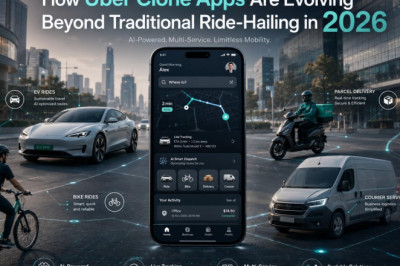


A Complete Guide to Creating an On-Demand Service App
The digital landscape has evolved rapidly over the past decade, giving rise to the on-demand economy. Today, users expect instant access to services—from booking rides and ordering food to hiring professionals and getting medicines delivered to their doorstep.
This growing demand has made on-demand service apps one of the most profitable and scalable business models.
If you are planning to enter this booming market, this comprehensive guide will walk you through every step of creating a successful on-demand service app.
1. Understanding the On-Demand Economy
The on-demand economy revolves around providing services to customers instantly, whenever they need them. These apps act as a bridge between users and service providers, enabling seamless communication and transaction processing.
The success of this model is driven by convenience, speed, and accessibility. Businesses leveraging this model can scale quickly while offering enhanced customer satisfaction. Understanding this ecosystem is the first step toward building a successful app.
2. Choosing the Right Niche
Selecting the right niche is crucial for your app’s success. The on-demand market is highly competitive, so focusing on a specific segment helps you stand out.
Popular niches include food delivery, taxi booking, home services, beauty and wellness, grocery delivery, and healthcare. You should choose a niche based on market demand, competition level, and your business goals. A well-defined niche allows you to create targeted features and marketing strategies.
3. Conducting In-Depth Market Research
Before starting development, thorough market research is essential. It helps you understand customer expectations, competitor strategies, and industry trends.
Analyze existing apps to identify their strengths and weaknesses. Study user reviews to uncover pain points and areas for improvement. This insight allows you to build a unique app that offers better value than competitors.
4. Defining Your Business Model
A strong business model ensures sustainable revenue generation. There are multiple ways to monetize an on-demand app, depending on your niche and target audience.
Common models include commission-based earnings, subscription plans, service fees, and in-app advertisements. Choosing the right combination of these models helps maximize profitability while keeping your platform user-friendly.
5. Planning Core Features and Functionalities
The success of your app largely depends on its features. You need to ensure a smooth experience for users, service providers, and administrators.
For users, features like easy registration, service search, real-time tracking, multiple payment options, and reviews are essential. Service providers require tools to manage profiles, accept requests, and track earnings. Admins need dashboards to monitor operations, manage users, and analyze performance.
Including these features ensures a seamless and efficient ecosystem.
6. Creating a User-Friendly UI/UX Design
User experience is a critical factor that determines your app’s success. A well-designed interface makes it easy for users to navigate and complete tasks quickly.
Focus on simplicity, intuitive navigation, fast loading speed, and visually appealing design. A clutter-free interface enhances user engagement and encourages repeat usage. Investing in high-quality UI/UX design can significantly improve your app’s retention rate.
7. Choosing the Right Technology Stack
The technology stack you choose impacts your app’s performance, scalability, and security. Selecting modern and reliable technologies ensures smooth operation and future growth.
For frontend development, frameworks like React Native and Flutter are लोकप्रिय choices. Backend technologies such as Node.js and Django provide strong performance. Databases like MongoDB or MySQL store user data securely, while cloud platforms like AWS ensure scalability.
Choosing the right combination helps build a robust application.
8. Deciding Between Native and Cross-Platform Development
One important decision is whether to develop your app as a native or cross-platform solution. Native apps are built specifically for Android or iOS, offering better performance and user experience.
Cross-platform apps, on the other hand, use a single codebase for multiple platforms, reducing development time and cost. Your choice depends on your budget, timeline, and long-term goals.
9. Developing the App Step-by-Step
The development process involves multiple stages, each requiring careful planning and execution.
It begins with wireframing and prototyping, where you outline the app structure and design. This is followed by frontend and backend development, API integration, and database setup.
Agile development methodologies are often used to ensure flexibility and continuous improvement throughout the process.
10. Integrating Advanced Features
To stay competitive, you should consider adding advanced features that enhance user experience.
These may include AI-based recommendations, real-time chat support, GPS tracking, push notifications, and multiple payment gateways. Such features not only improve functionality but also make your app more attractive to users.
11. Ensuring Security and Data Protection
Security is a top priority for any on-demand app, as it handles sensitive user data and financial transactions.
Implement strong security measures such as data encryption, secure APIs, and compliance with data protection regulations. Regular security audits and updates help protect your app from potential threats and build user trust.
12. Testing and Quality Assurance
Before launching your app, thorough testing is essential to ensure it functions smoothly.
Different types of testing include functional testing, performance testing, usability testing, and security testing. Identifying and fixing bugs early prevents negative user experiences and improves app reliability.
13. Launching Your App Successfully
A successful launch requires careful planning and execution. You should prepare a strong marketing strategy to create awareness and attract users.
App Store Optimization (ASO), social media campaigns, influencer marketing, and paid advertising can help boost visibility. A well-executed launch sets the foundation for your app’s growth.
14. Marketing and User Acquisition
After launch, continuous marketing efforts are necessary to attract and retain users.
Offer referral programs, discounts, and promotions to encourage user engagement. Focus on digital marketing strategies such as SEO, content marketing, and social media advertising to expand your reach.
Building a strong brand presence helps your app stand out in a competitive market.
15. Managing Operations Efficiently
Efficient operations management ensures smooth functioning of your platform. You need to monitor service quality, handle customer support, and manage service providers effectively.
Using analytics tools helps track user behavior, identify trends, and optimize performance. A well-managed system improves overall efficiency and customer satisfaction.
16. Scaling Your On-Demand App
Once your app gains traction, scaling becomes the next step. Expanding your services to new locations or adding new features can increase your user base.
Cloud infrastructure and scalable technologies make it easier to handle increased demand. Strategic partnerships and continuous innovation help sustain long-term growth.
17. Understanding Development Costs
The cost of developing an on-demand app depends on various factors, including features, complexity, platform, and development approach.
Basic apps are more affordable, while advanced apps with multiple features and integrations require higher investment. Planning your budget carefully ensures you get the best value for your investment.
18. Choosing Between Custom Development and Clone Apps
Businesses often choose between building an app from scratch or using a ready-made clone solution.
Custom development offers complete flexibility and unique features but requires more time and cost. Clone apps, on the other hand, are quicker to launch and cost-effective, making them ideal for startups.
Your choice should align with your business goals and resources.
19. Importance of Customer Support
Providing excellent customer support is essential for user satisfaction and retention.
Offering multiple support channels such as chat, email, and phone ensures users can resolve issues quickly. Prompt responses and effective problem-solving build trust and loyalty among users.
20. Future Trends in On-Demand Apps
The on-demand industry continues to evolve with new technologies and trends.
AI, machine learning, IoT, and blockchain are shaping the future of these apps. Personalization, automation, and enhanced security will play a significant role in improving user experience. Staying updated with these trends helps you stay ahead of the competition.
Conclusion
Creating an on-demand service app is a powerful way to tap into the rapidly growing digital economy. However, success requires careful planning, the right technology, and a deep understanding of user needs.
From choosing the right niche and features to developing, launching, and scaling your app, every step plays a crucial role in building a successful platform. By focusing on user experience, security, and continuous improvement, you can create an app that not only meets market demands but also stands out in a competitive landscape.
FAQs
1. What is an on-demand service app?
An on-demand service app is a platform that allows users to request services instantly and connect with service providers in real time.
2. How much does it cost to develop an on-demand app?
The cost varies depending on features, complexity, and development method, ranging from a few thousand to tens of thousands of dollars.
3. How long does it take to build an on-demand app?
Development typically takes between 3 to 9 months, depending on the scope and features of the app.
4. Which industries benefit most from on-demand apps?
Industries like food delivery, transportation, healthcare, home services, and e-commerce benefit greatly from on-demand apps.
5. How can I make my app successful?
Focus on user-friendly design, reliable service, strong marketing strategies, and continuous updates based on user feedback.