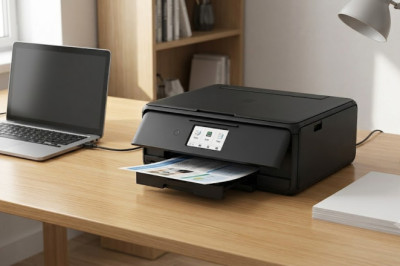


A well-selected Office table plays a vital role in building a workspace that supports productivity, organization, and professional success. Every office, whether large or small, depends on furniture that allows employees to work comfortably while keeping essential tools within easy reach. The right office table provides enough surface area for computers, paperwork, and office accessories while enhancing the overall appearance of the workplace. Choosing furniture that matches your daily requirements can improve workflow, encourage better posture, and create an inviting atmosphere for both employees and visitors.
How an Office Table Supports Daily Productivity
An office table serves as the central point where most business activities take place. Employees spend several hours each day working on reports, attending virtual meetings, handling documents, and completing projects. A spacious and well-designed table allows users to stay organized without feeling restricted.
An efficient workspace reduces unnecessary distractions by providing designated areas for office equipment, stationery, and digital devices. When everything has its proper place, employees can focus more effectively on their responsibilities. Investing in the right office table contributes to smoother operations and a more professional working environment.
Selecting the Best Office Table for Different Workspaces
Every workplace has unique requirements, making it important to evaluate your needs before purchasing office furniture. Small offices often benefit from compact tables that maximize available space, while executive offices require larger desks that reflect professionalism and authority.
Businesses with open-plan layouts may prefer workstation tables that encourage collaboration while maintaining individual work areas. Home offices, on the other hand, often require versatile office tables that blend functionality with residential interiors.
Considering room dimensions, employee responsibilities, storage needs, and available space helps ensure the selected office table fits perfectly within the workspace.
Office Table Styles That Complement Modern Interiors
Modern office furniture is available in a wide variety of styles to suit different business environments. Executive office tables feature premium finishes and generous work surfaces suitable for senior professionals. Minimalist designs remain popular because they create clean, uncluttered workspaces that feel open and inviting.
L-shaped office tables provide additional working space while making efficient use of room corners. Collaborative tables are designed to support meetings, brainstorming sessions, and team discussions. Adjustable office tables have also become increasingly popular, allowing users to alternate between sitting and standing throughout the day.
Choosing a style that matches the company's interior design creates a consistent and professional appearance.
Choosing Durable Materials for an Office Table
The quality of materials determines how well an office table performs over time. Solid wood remains a preferred option because of its strength, elegance, and long-lasting durability. Engineered wood offers an attractive and budget-friendly alternative while maintaining excellent performance for everyday office use.
Metal frames provide exceptional structural support and pair well with contemporary office designs. Laminate finishes protect surfaces against scratches, stains, and moisture, making them suitable for busy workplaces. Glass office tables add sophistication but require regular cleaning to maintain their polished appearance.
Selecting durable materials helps businesses maximize their investment while reducing long-term maintenance and replacement costs.
Features That Add Value to an Office Table
Today's office tables are designed with practical features that improve everyday efficiency. Built-in storage compartments keep important documents and office supplies neatly organized. Lockable drawers provide additional security for confidential files and valuable items.
Cable management systems prevent tangled wires and create cleaner workstations. Some office tables include integrated power outlets, USB charging ports, or keyboard trays that simplify daily operations.
Comfort should also be considered. Adequate legroom, smooth drawer mechanisms, and spacious work surfaces contribute to a better working experience, allowing employees to remain comfortable during extended work hours.
Planning Office Space Around the Right Office Table
Proper office planning ensures that every office table contributes to a productive and comfortable environment. Before purchasing furniture, carefully measure available floor space and determine how employees will move throughout the office.
Leaving sufficient space between tables allows easy movement while maintaining privacy for individual workstations. Larger offices can accommodate executive desks and meeting tables, while smaller offices benefit from compact furniture with efficient storage solutions.
An organized layout not only improves workplace functionality but also creates a welcoming environment for employees, clients, and business partners.
Why Investing in a Quality Office Table Is Worthwhile
A high-quality office table offers advantages that extend well beyond appearance. Durable construction provides years of reliable performance, making it a cost-effective investment for businesses. Comfortable workstations help employees maintain better posture, reducing physical strain during long working hours.
Professional furniture also strengthens the company's image by creating an organized and attractive office environment. Visitors often associate quality office furniture with professionalism, reliability, and attention to detail.
Businesses that prioritize durable office tables often experience improved workplace organization, greater employee satisfaction, and enhanced productivity over time.
Simple Ways to Maintain an Office Table
Regular maintenance helps preserve both the appearance and functionality of an office table. Dust should be removed frequently using a soft cloth, while spills should be cleaned immediately to prevent stains or surface damage.
Avoid dragging heavy objects across the tabletop, as this may leave scratches. Protective desk pads can help preserve the finish, especially in high-use areas. Periodically inspect drawers, hinges, and table legs to ensure everything remains secure.
Keeping cables organized and avoiding excessive weight on the table also contributes to its long-term durability and professional appearance.
Office Table Trends Shaping Today's Workplaces
Office furniture continues to evolve alongside modern business needs. Flexible office layouts have increased demand for modular office tables that can be rearranged as teams grow or office configurations change.
Height-adjustable office tables remain highly desirable because they support healthier working habits by allowing users to alternate between sitting and standing. Sustainable materials are becoming more common as businesses focus on environmentally responsible purchasing decisions.
Neutral colors, natural wood finishes, hidden cable systems, and streamlined designs continue to dominate contemporary office interiors. Smart office tables with integrated technology features are also gaining popularity as workplaces become increasingly digital.
Conclusion
Choosing the right Office table is an important step toward creating a productive, organized, and visually appealing workspace. Careful consideration of design, material, functionality, and office layout helps businesses select furniture that supports both employee comfort and operational efficiency. A durable office table delivers long-term value while enhancing the overall professional image of the workplace. For businesses looking for dependable furniture solutions that combine style with everyday practicality, Modern office table designs offers quality options designed to meet the demands of today's evolving work environments.